When living or working in Monaco, daily life revolves around very concrete issues: a recent ban on plastic containers in restaurants, a housing budget announced at nearly 280 million euros for 2027, and traditional cuisine exported as far as Strasbourg.
Ban on Single-Use Plastics in Monaco’s Restaurants
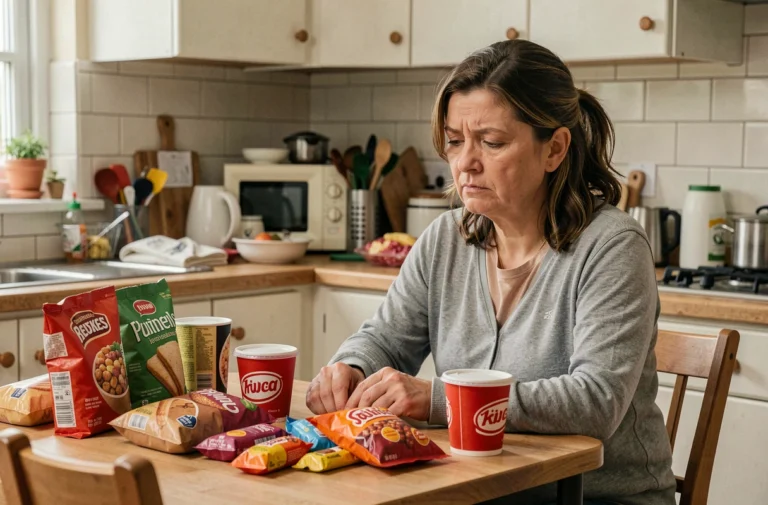
Food businesses and restaurants in the Principality are facing a new constraint: disposable plastic containers and bowls are now prohibited. This measure directly affects takeout sales, a rapidly growing segment in a territory where the density of dining establishments per capita is among the highest in the world.
For restaurateurs, this means a change in suppliers and an increase in costs for containers. Establishments offering quick lunch options, particularly around Monte-Carlo and the Condamine district, have had to adapt their supply chains. We are already seeing containers made from plant fibers or returnable glass in several establishments.
This transition is part of a series of environmental measures specific to the Principality. Keeping track of these developments over the weeks requires regular local monitoring, and publications like petitmonegasque.fr cover this type of practical news that affects residents and merchants on a daily basis.
Monaco’s Culinary Heritage: Recipes That Travel Beyond the Principality
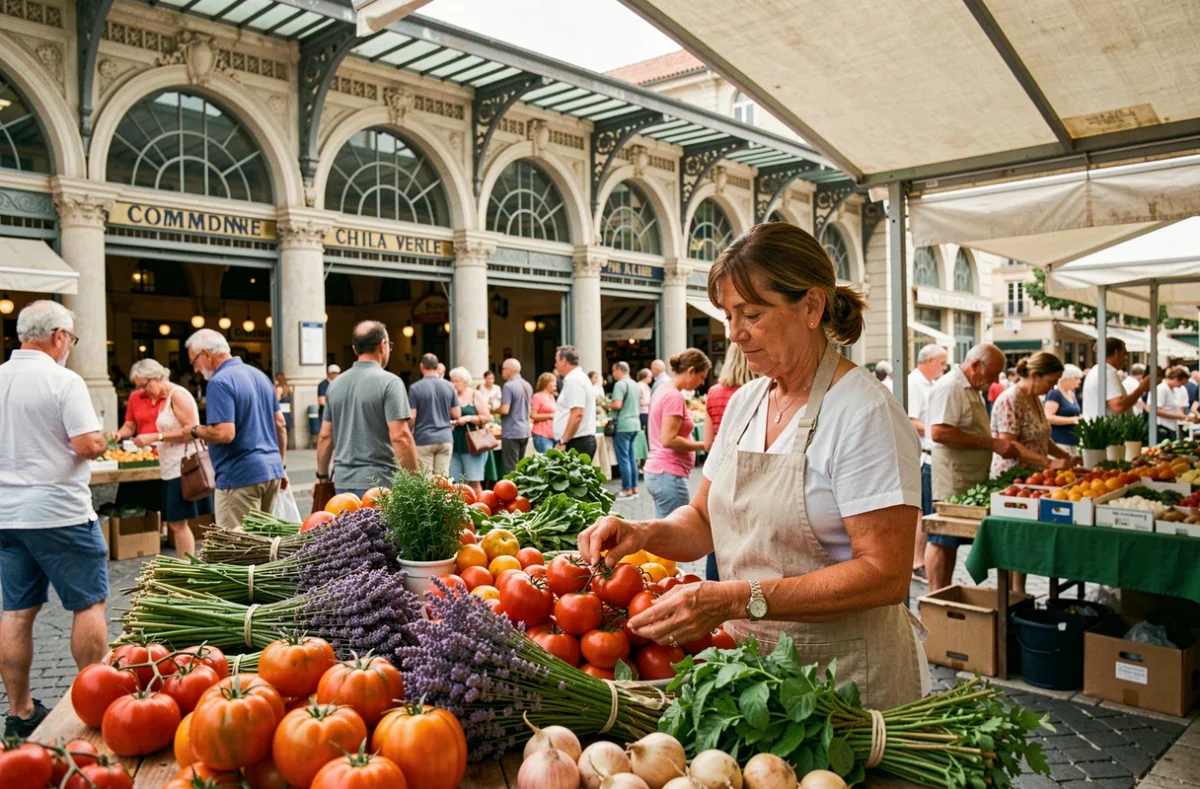
Monaco’s gastronomy goes beyond Michelin-starred tables. The association Mémoire et Transmission de la Cuisine Monégasque, created in 2023, works to document and protect traditional recipes from Monaco. Barbagiuans (fried pastries filled with Swiss chard, spinach, ricotta, and parmesan), stocafi (Monégasque stockfish), and fougasse are part of this repertoire passed down from generation to generation.
In September 2026, the Principality’s cuisine was showcased in Strasbourg during a dedicated gastronomic week. This type of initiative marks a turning point: local cuisine is stepping out of Monaco to gain recognition in other regions.
What the Intangible Cultural Heritage Convention Protects
Monaco accepted the Convention for the Safeguarding of the Intangible Cultural Heritage on June 4, 2007. This commitment requires the Principality to inventory and promote its culinary know-how alongside its oral traditions and craftsmanship. Typical Monégasque dishes fall within this protection framework.
The difference from a simple gastronomic label is the obligation of transmission. The cooking workshops organized by the association aim specifically to train young generations in the technical gestures of these recipes, not just to taste them during local festivals.
Housing in Monaco: the 2027 Budget and Its Consequences for Residents
During the back-to-school press conference on September 17, 2026, the princely government prioritized housing. Nearly 280 million euros are allocated in the 2027 budget to accelerate allocations and bring existing housing back onto the market.
For Monégasques waiting for state housing, this could reduce waiting times that sometimes stretch over several years. The plan also includes mobilizing vacant properties, a pragmatic approach in a territory where every square meter counts.
Ongoing Infrastructure and Construction Projects
The daily lives of residents are also marked by large-scale projects related to waste management and water management. These projects, which entered the operational phase in the fall of 2026, are altering traffic in certain neighborhoods. The free bus network, already in place, serves as a fallback solution during major events and disruptions related to construction.
- The Salines parking facility allows for advance reservations and provides access to the center by bus or on foot, especially during the Yacht Show.
- The bus lines cover the entire territory and remain free for all users, both residents and visitors.
- The infrastructure projects mainly impact the routes around Fontvieille and the port, with real-time detours indicated.
Gastronomic and Cultural Events in Monaco: What Shapes the Season
Monaco is not short on culinary events. The Festival des Étoilés Monte-Carlo, held at Louis XV of the Hôtel de Paris, invites internationally renowned chefs to cook alongside Alain Ducasse.
Culture and Art: A Busy Calendar Year-Round
Beyond gastronomy, Monégasque cultural life is organized around institutions like the Opéra de Monte-Carlo, the Oceanographic Museum, and the New National Museum. The artistic heritage of the Principality is concentrated in a very small area, making each location accessible on foot within minutes.
Temporary exhibitions and performances follow one another without seasonal interruption. This cultural density, combined with the geographical proximity to Nice and the Italian Riviera, gives residents access to three distinct cultural scenes without leaving a radius of just a few dozen kilometers.
Life in Monaco is shaped by concrete details: a changing food container, a housing budget being unlocked, a traditional cuisine being exported to Strasbourg. It is in these micro-evolutions that the true daily life of the Principality is revealed, far from postcard clichés.