
A cat that scratches more than usual, a dog that has ignored its bowl for two days, a rabbit with dull fur: these everyday signals tell something specific about your pet’s health. Interpreting them correctly is the foundation of animal well-being, long before purchasing accessories or choosing a premium kibble.
Behavioral signals to watch for in dogs and cats
Have you noticed that your cat is sleeping in an unusual place, or that your dog is refusing a walk it usually loves? These changes in routine are often the first indicator of physical or emotional discomfort.
In dogs, repetitive licking of the paws may signal a food allergy, dermatitis, or simply boredom. The distinction matters because the response is not the same. A veterinarian will look for a skin-related cause. A behaviorist will assess the level of mental stimulation.
In cats, a change in resting posture often betrays joint pain. A cat that lies flat instead of curling up is protecting a sensitive area. This type of careful observation, accessible to all owners, allows for action before a problem becomes established.
To delve deeper into these issues and find reliable resources on daily care, exploring the animal world of 4 Pattes d’Amour provides useful insights, species by species.
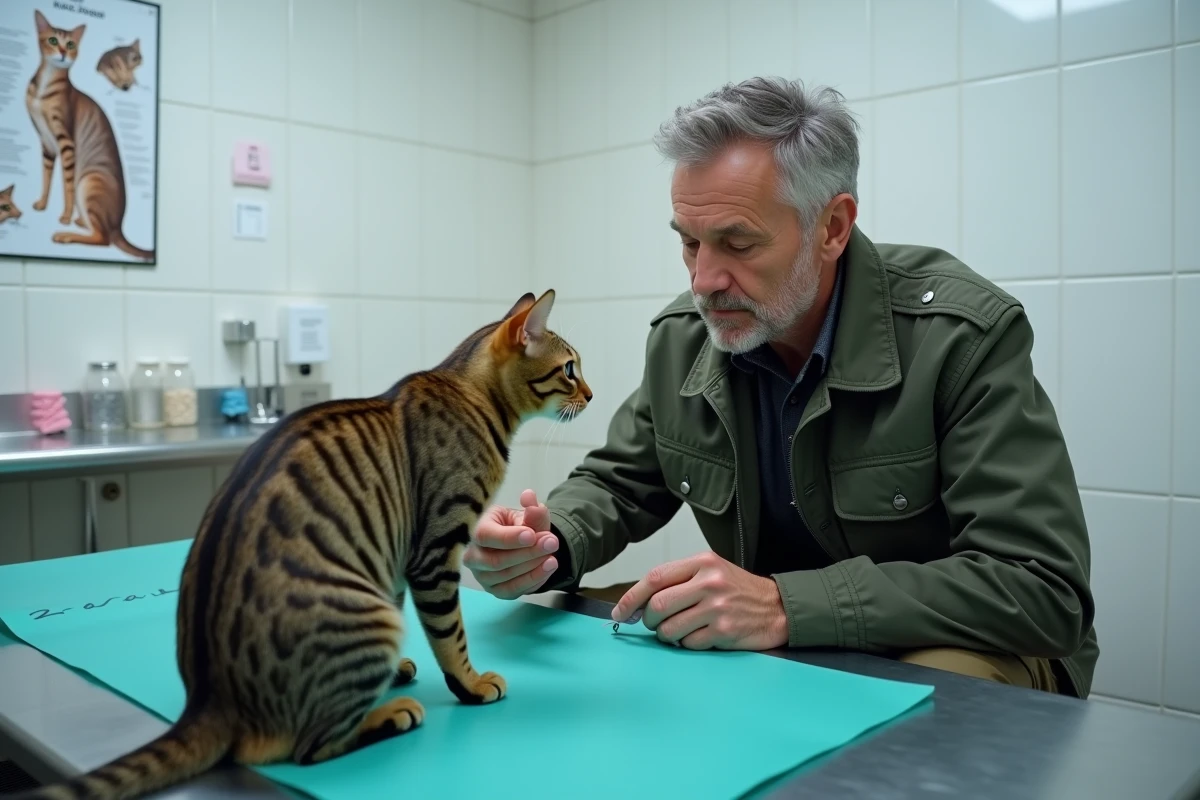
Pet nutrition: why homemade diets pose problems
The trend towards homemade rations and so-called natural diets is growing among dog and cat owners. The intention is good. The result, however, can sometimes be risky.
International veterinary organizations, including the WSAVA nutrition committee and FEDIAF, regularly remind us that homemade rations not formulated by a professional lead to nutritional imbalances. A dog fed chicken, rice, and some vegetables receives too little calcium, zinc, and fatty acids in the long term.
What distinguishes a balanced diet
Balance is not just about varying ingredients. It relies on precise ratios of proteins, fats, fibers, and micronutrients, tailored to the animal’s age, weight, and activity level.
- A growing puppy needs more calcium and phosphorus than an adult dog, but in a controlled ratio to avoid bone deformities.
- A sedentary senior cat requires fewer calories but more quality protein to maintain its muscle mass.
- Cereals are not inherently harmful: some, like rice or barley, provide digestible energy without causing intolerance in the majority of animals.
Requesting a nutritional assessment from your veterinarian before changing diets remains the most effective precaution. This assessment costs the price of a consultation and can prevent deficiencies that develop over several months.
Identification and traceability: what the European project changes
At the end of 2023, the European Commission presented a draft regulation aimed at making the identification of dogs and cats mandatory across all member states. This text, still under institutional discussion, also includes strengthened controls on sellers and shelters.
Why does this issue directly concern the well-being of your companions? Because mandatory identification reduces untraceable abandonments and the trafficking of animals. Today, in several European countries, a stray cat found without a microchip cannot be linked to an owner. It enters a shelter circuit without a medical history.
Microchip and tattoo: which method to prefer
In France, the microchip has become the standard. The tattoo remains valid but poses readability issues over the years: the ink fades, and the numbers become blurry.
The microchip can be read in a few seconds with a universal reader, making identification easier in shelters, at the veterinarian, or during border checks. Its implantation is quick and comparable to a standard subcutaneous injection.

Environmental enrichment: adapting the space to the species
A dog that destroys shoes or a cat that scratches the sofa is not acting out of bad will. It is expressing a lack of stimulation suited to its biological needs.
The concept of environmental enrichment encompasses all modifications to the environment that allow an animal to express its natural behaviors. For a cat, this includes access to heights (shelves, cat trees) and vertical scratching areas. For a dog, olfactory stimulation (search games, sniffing mats) engages much more than just a simple walk.
- An indoor cat without a high observation point is more likely to develop chronic stress, which manifests as inappropriate elimination or excessive grooming.
- A dog that engages in scent activities daily shows mental fatigue comparable to a long physical walk, which reduces destructive behaviors.
- Rodents (rabbits, guinea pigs) need floor space far exceeding that of cages sold in pet stores, with hiding spots and free access to hay.
Adapting the living space often costs less than behavioral treatment. A few simple adjustments, chosen based on the species, are enough to reduce most boredom-related issues.
The well-being of a pet is built on three concrete pillars: attentive observation of behaviors, rigorously formulated nutrition, and an environment that respects the needs of the species. No accessory can replace these fundamentals.