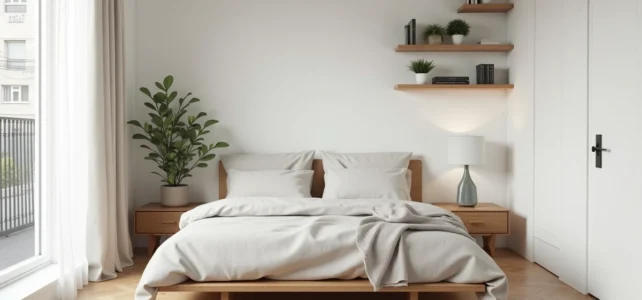
A 14 m² studio with a aging kitchenette and a poorly defined sleeping area: this is the starting point for most sales or rental projects in small spaces. Designing a studio is not just about choosing a sofa bed and repainting the walls white. It is a precise job where every square decimeter counts.
Decency threshold and regulatory constraints for a rental studio
Before thinking about decoration, compliance is checked. A rental property must meet the decency criterion, which notably requires a minimum living area of 9 m² and sufficient ceiling height. Without this threshold, no legal lease is possible.
You can find the definition of a studio on Tout Immo, which clearly distinguishes it from a classic studio: the studio generally ranges from 9 to 15 m², with an integrated kitchenette and a bathroom often reduced to a shower. This distinction is not trivial, as it conditions the type of lease (furnished or unfurnished) and the obligations of the landlord.
The main point of concern is ventilation and electrical installation. In such small spaces, a faulty VMC or a non-compliant electrical panel blocks the rental. These issues are prioritized before any decorative investment.
Multifunctional furniture for studios: what really works
Competitors talk a lot about mezzanines and click-clack sofas. In a studio of less than 15 m², a mezzanine is only viable if the ceiling height exceeds 3.50 m, which is rare in old buildings. The click-clack sofa takes up more floor space than a wall-mounted foldable bed.

The furniture that truly changes the perception of space is based on three principles: foldability, wall mounting, and dual function. A foldable bed frees up the entire floor during the day. A foldable wall shelf replaces a dining table without taking up permanent space. Open shelves mounted high store without cluttering the circulation.
- The vertical foldable bed (Murphy type) adapts to studios from 9 m² and frees between 3 and 5 m² of floor space when folded, transforming the room into a living space.
- Suspended furniture (sink, microwave, kitchen storage) clears the floor and facilitates cleaning, a concrete argument for tenants.
- A thick curtain or a low partition is enough to visually separate the sleeping area from the rest, without putting up a wall that would reduce natural light.
The choice of furniture directly affects the rent charged. The PriceHubble France study from February 2025 on the impact of furnishing confirms a positive price effect of good furniture on small spaces, particularly sensitive under 25 m². In other words, investing in a quality foldable bed pays off in the monthly rent.
Targeted renovation of a studio: the areas to prioritize
Renovating a studio does not mean starting from scratch. The budget is focused on high-impact visible areas and technical compliance. The rest can wait.
Bathroom and kitchenette: the two critical areas
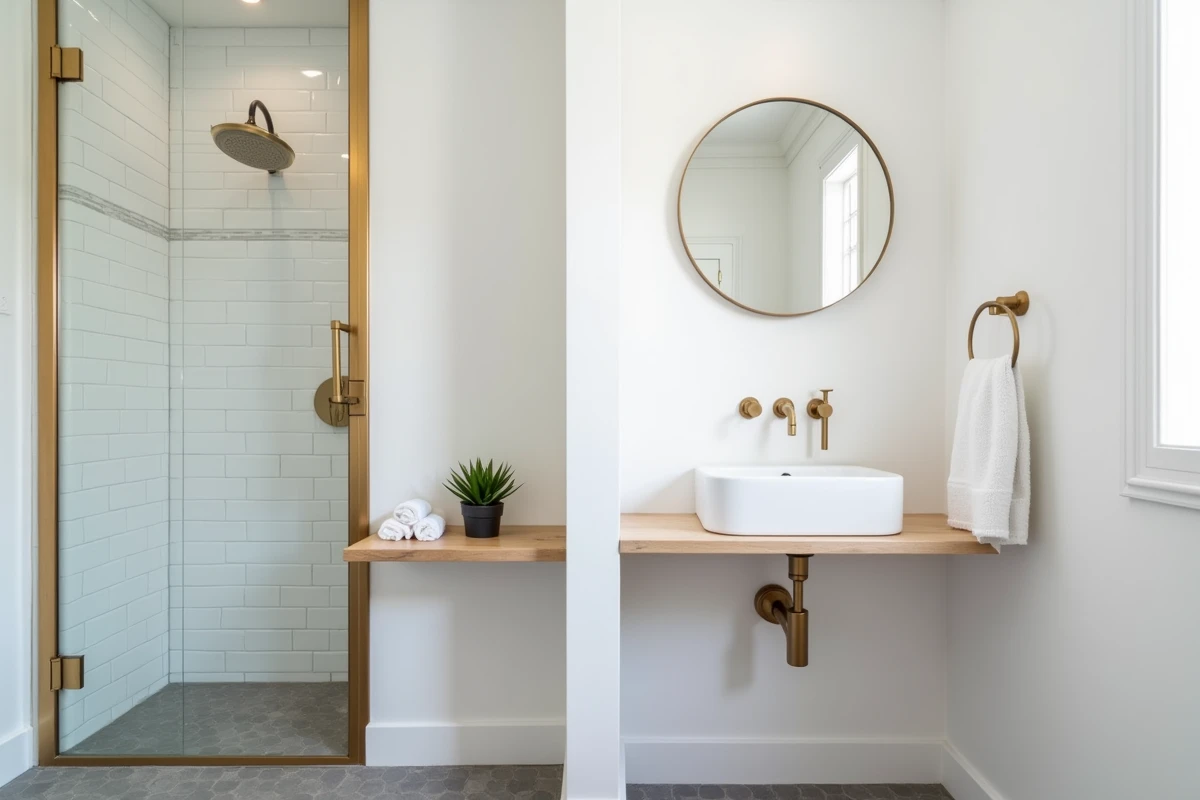
In a studio, the bathroom and kitchenette often occupy less than 3 m² combined. Yet, these are the first areas inspected by a potential buyer or tenant. A clean shower tray and redone joints change the perception more than a fresh coat of paint on the ceiling.
In the kitchen, a light laminate countertop, two induction plates, and a small built-in refrigerator are sufficient. There is no need to plan for a dishwasher; there is neither space nor demand from the typical tenant (student, young professional).
Flooring and colors: what enlarges without heavy work
Light tones on the walls and floor remain the foundation. A light wood-look vinyl floor can be laid without a thick underlay and withstands rental wear well. For the walls, a satin off-white or very pale gray paint reflects light better than pure matte white.
Feedback varies on the usefulness of a full-height mirror: effective in studios facing north (it amplifies natural light), it adds little in a space already well exposed to the south. Adjust on a case-by-case basis.
Rental profitability of a studio: setting the right furnished rent
The rental tension on spaces of less than 20 m² in major metropolitan areas works in favor of the landlord. According to the SeLoger barometer from autumn 2025, these properties are among the most sought after in Paris, Lyon, Lille, and Bordeaux, with a significant increase in demand since 2023.
This demand allows for selecting the tenant rather than suffering vacancy, provided that the layout is up to par. A well-equipped furnished unit with a foldable bed, a functional kitchenette, and internet connection rents faster and for more than a makeshift furnished unit with a mattress on the floor and a microwave on a cardboard box.
- The LMNP status (Non-Professional Furnished Rental) allows for furniture depreciation and reduces taxation on rental income, a direct profitability lever.
- The one-year furnished lease (or nine months for a student) offers more flexibility than the three-year unfurnished lease, making it easier to adjust the rent to the market.
- Integration into a co-living concept with shared spaces (common kitchen, coworking) can compensate for the small size of the private space and justify a higher pricing position.
The entry cost for renovating a studio remains moderate compared to a larger apartment, but each item must be prioritized. A poorly allocated budget (too much decoration, not enough technical work) produces a property that looks good in photos but disappoints during visits. Always start with compliance, then structuring furniture, and finally decorative finishing. It is in this order that value is built, whether the goal is sale or rental.