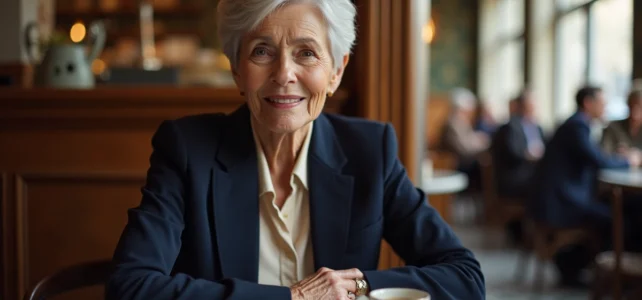
Fine hair, sometimes sparse, a texture that changes with gray or white, glasses worn daily: choosing a short haircut after 70 means dealing with very concrete parameters. Trendy short hairstyles for women over 70 are no longer limited to the wise pixie or the classic bob.
Visual references on Pinterest and Instagram have shown a clear expansion of options over the past few seasons, with more deconstructed cuts and freer volumes. The trend is to embrace natural hair rather than discipline it.
Micro bob and deconstructed pixie: two game-changing cuts after 70
The most shared articles on the subject almost always recommend the same cuts: short pixie, layered bob, boyish cut. These suggestions remain valid, but they overlook two options that have been gaining ground since 2025.
The micro bob, a very short bob that stops above the jawline, offers an interesting alternative for those who find the pixie too radical. It retains some length around the face, softening the features without weighing down the hair silhouette. On white or gray hair, the micro bob structures the natural volume without requiring daily styling.
The deconstructed pixie, with longer strands on top and a wispy fringe, has far surpassed the classic version in Pinterest searches. The idea is to break the “helmet” effect of the traditional pixie by allowing free movement, resulting in a look that is less stiff and more suited to hair that has lost density.
To explore trendy short hairstyles for women over 70, these two cuts deserve to be considered as a priority.
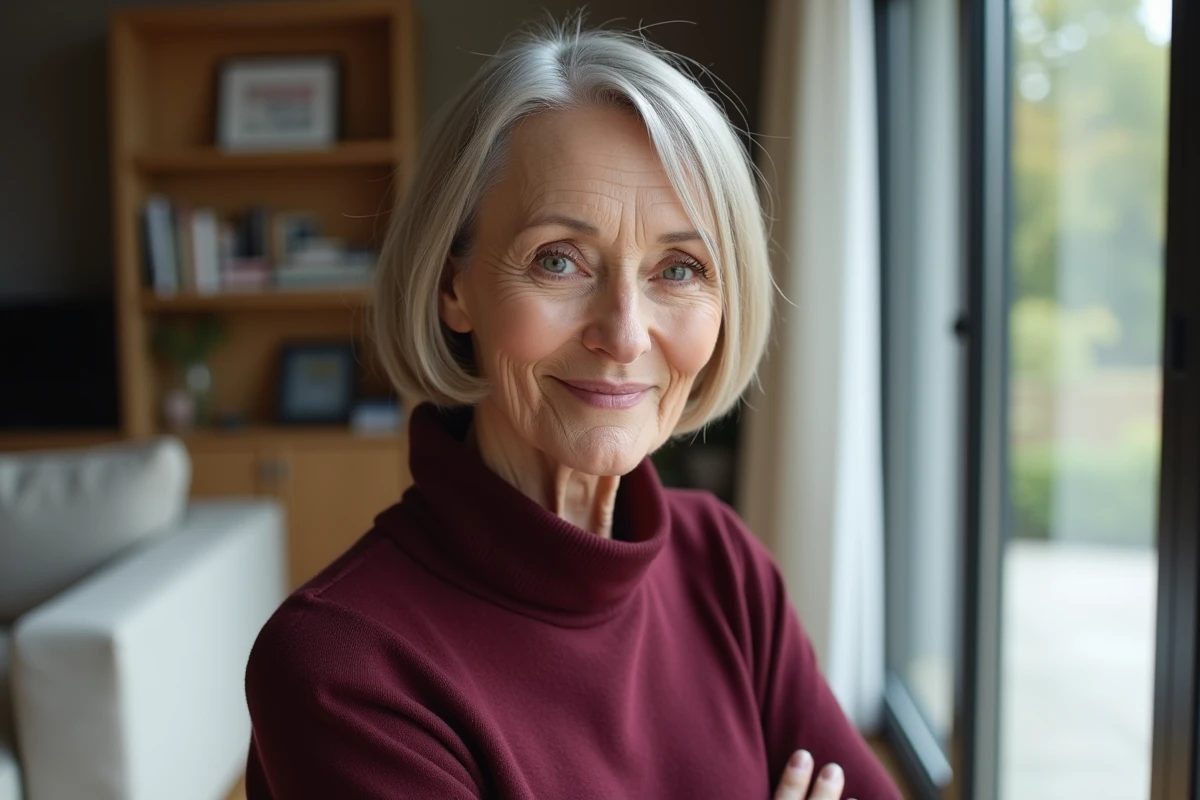
Short hairstyle and glasses: what the frame imposes on the layering
Most guides recommend adapting the cut to the shape of the face, which remains relevant. However, few detail the concrete interaction between the cut and glasses, while the majority of women over 70 wear them.
The main issue is mechanical: the arms of the frame go over the ears and compress the side strands. On a short pixie, this creates a slicked-down effect on the sides that can harden the face. On a micro bob or layered bob, the strands falling in front of the arms add softness around the frame and soften the rigid line of the lenses.
- With thick or colorful frames, a light layering on the sides avoids visual overload around the temples. Volume should remain on the top of the head, not on the sides.
- With thin or rimless frames, there is more freedom: a tapered fringe or longer side strands can frame the lenses without competing with their line.
- Glasses with wide arms (like thick acetate) work better with a bare neck, as the contrast between the high volume and the lightness below refocuses the gaze on the face.
Asking your hairdresser to bring the glasses to the salon, not just to check the final result but to adjust the length of the side strands in real-time, remains the most practical advice on this subject.
Embracing white hair: what has changed in hairdressers’ discourse
For a long time, hair recommendations for women over 60 revolved around two axes: covering white or “softening” it with highlights. This approach has not disappeared, but it now coexists with a very different discourse promoted by hairdressers on Instagram and TikTok.
Since 2024, several specialized content creators have shown women over 50, 60, and 70 who embrace very short cuts, with a bare neck, short sides, and long tops, without coloring. The idea that short and white hair does not mean a loss of femininity is gaining traction in salons, although feedback on this point varies by region and clientele.
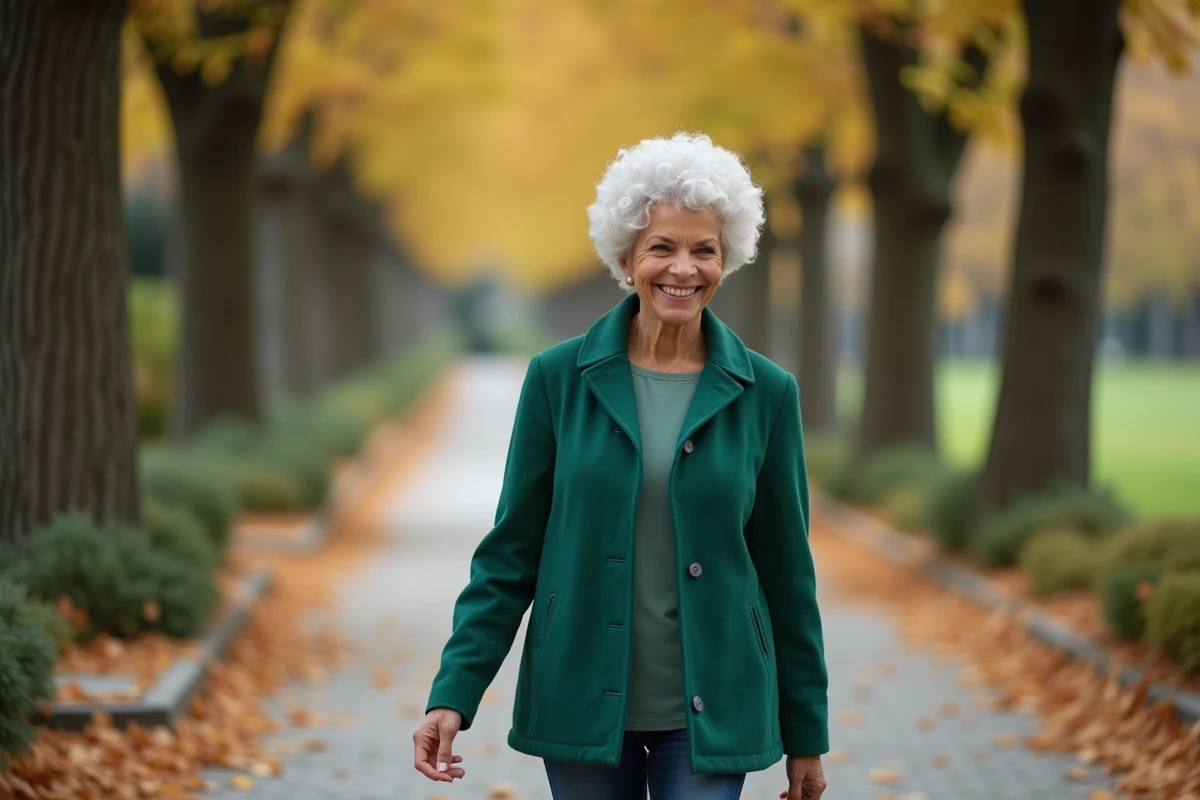
White or gray hair has a specific texture: coarser, sometimes unruly, with a tendency to frizz. This texture lends itself well to deconstructed short cuts that rely on natural movement rather than smoothing. Thick white hair in a deconstructed pixie provides volume without styling products, whereas fine colored hair would require root work and shaping.
Layered fringe or no fringe: the choice that changes the entire result
The fringe is the detail that shifts a short cut from one register to another. For a 70-year-old woman, this choice deserves careful consideration based on two concrete criteria rather than a simple aesthetic preference.
The first criterion is the density of hair on the forehead. A straight or thick fringe requires enough material to avoid exposing the scalp. On fine hair, it’s better to have a tapered fringe or a side strand that creates the illusion of volume without requiring actual density.
The second criterion concerns glasses, once again. A fringe that falls on the lenses forces constant pushing back, which disrupts the styling and irritates the forehead. The ideal fringe with glasses stops just above the eyebrow line or shifts to the side to clear the field of vision.
- The curtain fringe, parted in the center and swept to each side, works particularly well with round or oval frames.
- The short and straight fringe, very trendy on pixies in 2026, suits long faces and rectangular frames, provided the hair is dense enough.
- The complete absence of a fringe, with all the volume directed back or on top, creates a light effect on the forehead that opens the gaze behind the lenses.
The choice between fringe and no fringe should ideally be made with the hairdresser, glasses on, testing several lengths before the final cut. A well-calibrated short hairstyle on these practical details lasts between salon visits without losing its shape, which remains one of the true advantages of short hair after 70.