The French automotive market in 2024 no longer resembles that of 2019. New vehicle registrations remain well below pre-Covid levels, the used car market now accounts for more than three times the transaction volume of new cars, and electrification is progressing through a channel that few analysts had anticipated. Here, we decode the structural trends reshaping the automotive sector.
Used Electric Vehicles: The Real Engine of Electrification in 2024
The growth rate of new electric vehicle sales is normalizing. The spectacular dynamics of previous years are giving way to a plateau, hindered by still high list prices and an ecological bonus refocused on models produced in Europe.
The shift is happening elsewhere. Used electric cars are progressing very strongly and gaining a significant market share in the used vehicle segment. The first mass-produced models (Renault ZOE, Peugeot e-208, Tesla Model 3) are arriving in volume on the secondary market with reasonable mileage and access prices well below new.
For consumers who were hesitant to take the plunge, the used electric option removes the main barrier: the entry price. It is this channel, not new cars, that is truly democratizing the use of electric vehicles in France. Find all the latest auto news on Blog Automobile to follow the evolution of these segments daily.
French Automotive Market: The Sustainable Shift Towards Used Cars
Data from the Ministry of Ecological Transition confirms a strong trend. In 2025, registrations of new passenger cars have significantly declined compared to 2024. The used vehicle market, on the other hand, far exceeds new in transaction volume.
This imbalance is not cyclical. The used market absorbs the demand that new cars no longer satisfy, due to longer delivery times, rising average prices of new models, and the tightening of the ecological penalty that increases the cost of certain categories of vehicles.
Consequences for the Distribution Sector
Dealership networks are adapting their business model. The margin on used vehicles and after-sales services now weighs more than the sale of new vehicles in the revenue of many distribution groups. Online sales platforms specializing in used cars are capturing an increasing share of buyer traffic.
We also observe an effect on the residual value of vehicles. Plug-in hybrid models, which were very popular in 2021-2022 due to tax advantages, are arriving en masse on the secondary market and experiencing rapid depreciation, creating buying opportunities but complicating trade-ins for professionals.
New Tech Entrants in the Automotive Market: The Case of Xiaomi
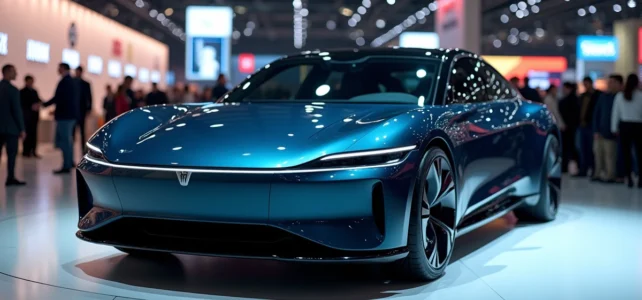
Xiaomi’s entry into the electric vehicle market in 2024 with its first production model marks a turning point. Tech giants are investing in automotive because it is becoming a software product, and no longer just a mechanical object.
The logic of these new players differs radically from that of historical manufacturers:
- Shortened product development cycles, modeled on consumer electronics, with frequent software updates after delivery
- Vertical integration of the digital ecosystem (smartphone, home automation, vehicle) to capture the user in a proprietary environment
- Aggressive pricing strategy made possible by amortizing R&D costs across other divisions (phones, connected devices)
For European manufacturers, the threat lies not so much in immediate volume but in the ability of these players to impose new standards in user interface and embedded connectivity. Mercedes, Renault, and other European brands must accelerate on software or risk becoming hardware suppliers for third-party platforms.
SUVs and Hybrids: The Segments Driving Volume in Europe
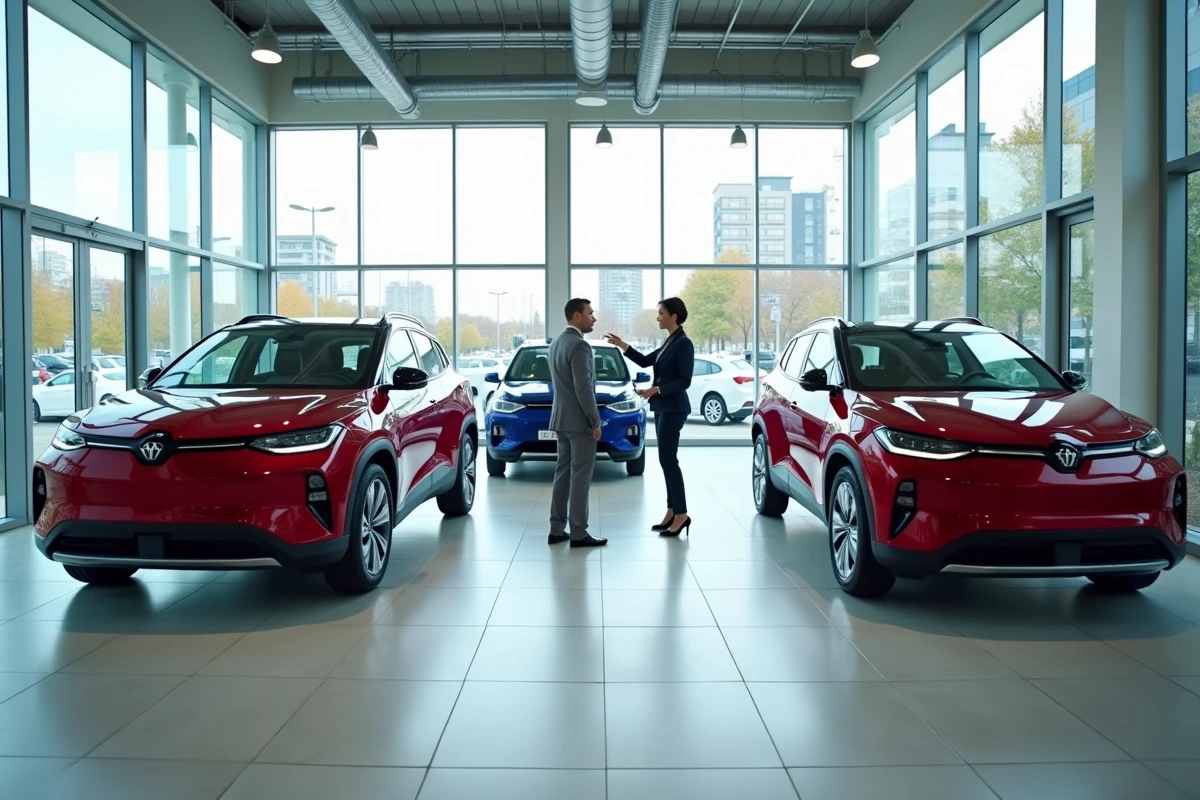
The SUV remains the dominant body style in new car sales in Europe. This trend shows no signs of weakening despite the weight penalty, as manufacturers have optimized the weights and powertrains of their compact models to stay below the most penalizing thresholds.
Hybrid powertrains (mild hybrid and full hybrid) represent the technical compromise that appeals to the largest number of consumers in 2024. They offer measurable consumption reductions in urban use without the constraints of range and charging associated with fully electric vehicles.
Manufacturers’ Trade-offs on Platforms
Renault, with its strategy of modular platforms, illustrates this trade-off well. The group now offers nearly its entire range in hybrid versions while maintaining a pure electric offer on targeted models. This pragmatic approach responds to a market reality: the majority of European buyers are not ready to fully switch to electric.
Premium brands like Mercedes are adopting a similar trajectory, postponing some of their initially announced 100% electric range goals for 2030. The automotive industry as a whole is recalibrating its investments between pure electric, hybrid, and even optimized thermal, depending on regions and segments.
- Compact hybrid SUVs concentrate the highest demand in volume in the European market
- Electric models find their audience primarily in the premium segment and through used cars
- Pure thermal powertrains are declining but remain the majority in the rolling stock, which maintains a considerable market for parts and maintenance
The year 2024 will have shown that the automotive transition does not follow a linear trajectory. The used electric vehicle market, the emergence of tech players like Xiaomi, and the hybrid pragmatism of European manufacturers are shaping a more fragmented landscape than the optimistic scenarios of total electrification had predicted. The adaptation of business models in the sector will be as crucial as technological innovation in the coming years.